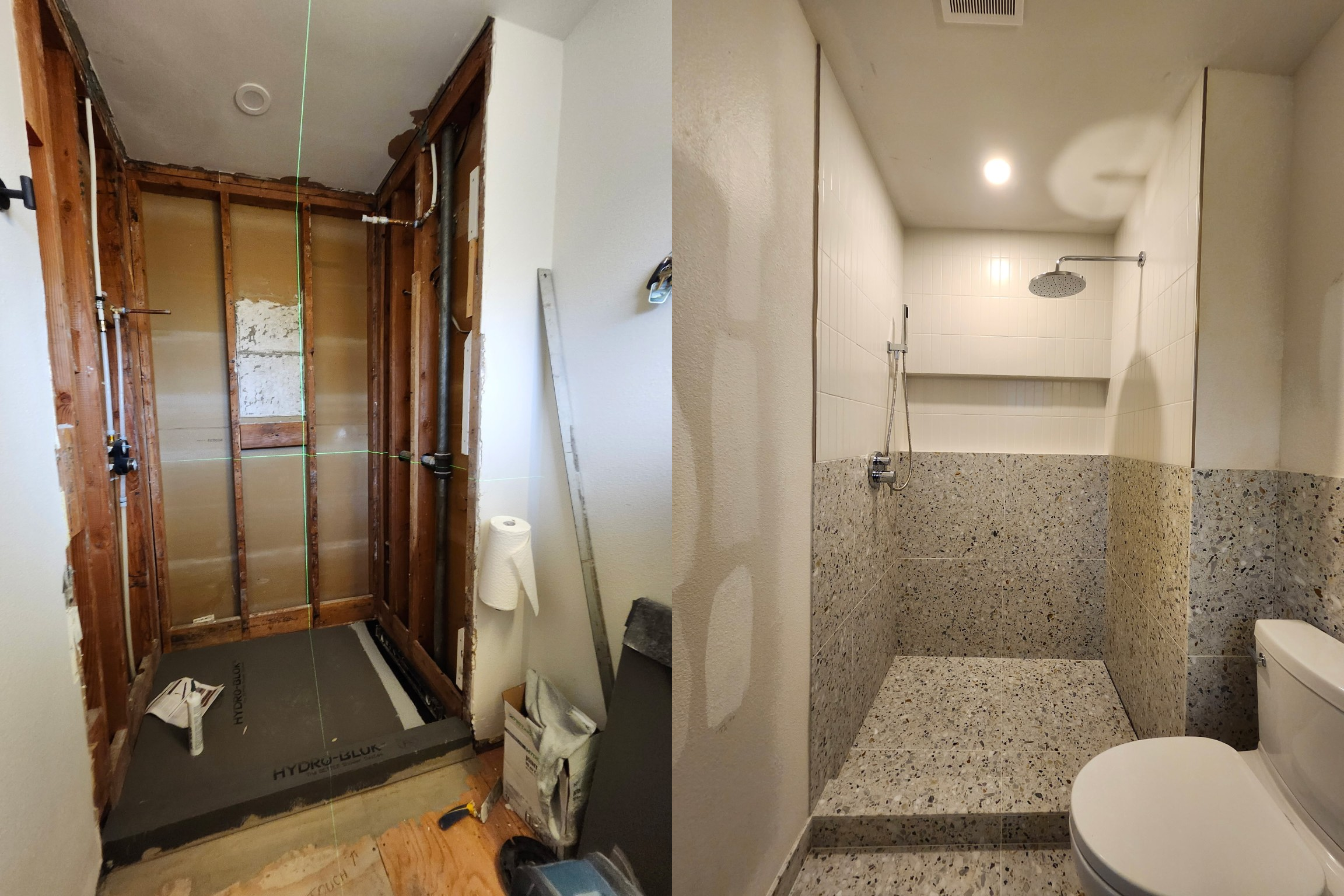
How Long Does a Bathroom Remodel Take? A Portland Homeowner's Guide
If you're planning a bathroom remodel, one of your biggest questions is probably: How long will my bathroom be out of commission?
It's an important consideration, especially if your home only has one bathroom or you're trying to schedule a renovation around work, family, and everyday life.
The answer depends on the size of your bathroom, the scope of work, the materials selected, and whether any unexpected issues are discovered during construction.
At Rolling Hills Remodeling, we've spent over a decade helping homeowners throughout the Portland metro area improve their homes. We believe understanding the construction process is just as important as establishing a realistic budget.
In this guide, we'll explain how long different types of bathroom renovations typically take, what happens during construction, and what can affect your project's timeline.
How Long Does a Bathroom Remodel Typically Take?
Based on our typical construction schedules at Rolling Hills Remodeling, here's what homeowners can generally expect:
Bathroom Project
Estimated Construction Timeline
Basic Bathroom Refresh
Approximately 5 working days
Standalone Tiled Shower Replacement
Approximately 2 weeks
Standard Full Bathroom Remodel
2–3 weeks
Larger Custom Bathroom Renovation
3–5+ weeks
These are preliminary construction timelines for Rolling Hills Remodeling projects, not industry-wide averages or guaranteed completion dates.
They assume materials are available, the project is properly planned, and no significant unforeseen conditions are discovered.
Let's take a closer look at each type of renovation.
1. Basic Bathroom Refresh: Approximately 5 Working Days
Not every bathroom renovation requires removing everything down to the framing.
If your existing shower, bathtub, and plumbing are in good condition, a cosmetic refresh can provide a noticeable improvement with a relatively short construction schedule.
A basic bathroom refresh may include:
Replacing the vanity and faucet
Installing a new toilet
Updating lighting and mirrors
Replacing bathroom flooring
Painting walls and ceilings
Installing new bathroom accessories
Because the existing shower or bathtub remains in place, the project generally involves fewer construction phases than a complete remodel.
For a straightforward bathroom refresh, we typically plan approximately five working days.
This makes it an appealing option for homeowners who want an updated bathroom without committing to a larger renovation.
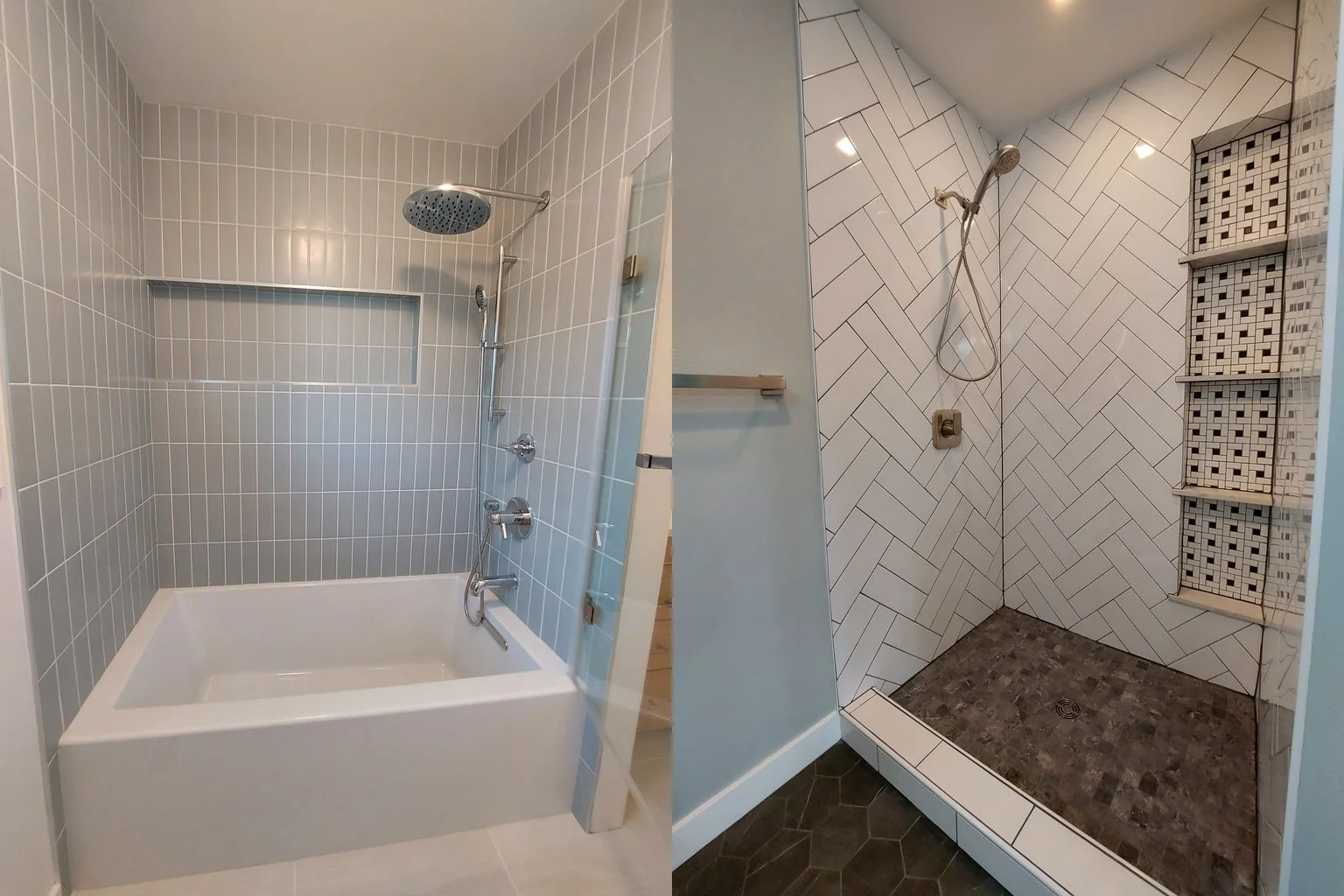
2. Standalone Tiled Shower Replacement: Approximately 2 Weeks
Replacing an existing shower is one of the most common bathroom remodeling projects.
Although the work is concentrated in a relatively small area, a properly constructed tiled shower involves several important steps.
A typical shower replacement may include:
Demolition and removal of the existing shower
Inspection of exposed framing and plumbing
Plumbing fixture updates
Installation of the shower base and waterproofing system
Tile installation and grouting
Installation of shower fixtures and finishing details
Glass enclosure installation, when included
At Rolling Hills Remodeling, we generally schedule approximately two weeks for a standard tiled shower replacement.
Why Does a Shower Replacement Take Two Weeks?
It's a reasonable question. After all, a shower may only occupy a few square feet.
But shower construction involves multiple phases that must be completed in the correct order.
Waterproofing materials, tile-setting products, grout, and sealants may require specific curing or drying periods before subsequent work can begin.
Those waiting periods are part of constructing a reliable shower—not simply downtime.
The final schedule also depends on the waterproofing system, tile selection, shower configuration, and glass enclosure requirements.
A custom-measured glass enclosure, for example, may introduce additional lead time if it cannot be ordered until finished tile dimensions are confirmed.
3. Standard Full Bathroom Remodel: 2–3 Weeks
A complete bathroom renovation involves more coordination than replacing a single fixture or shower.
For a typical 5' × 8' bathroom, we generally schedule two to three weeks of construction, assuming the existing layout remains unchanged.
A standard full bathroom remodel may include:
Complete demolition and debris removal
Plumbing updates
New bathtub with tiled surround or a standard shower configuration
New bathroom flooring
Replacement vanity, sink, and faucet
New toilet
Updated lighting and mirror
Painting walls and ceiling
Baseboards and finishing details
Installation of bathroom accessories
Although the work is more extensive, several tasks can be coordinated efficiently when the project has been properly planned.
What Happens During a Full Bathroom Remodel?
Every project is different, but the construction process generally follows a similar sequence.
Phase 1: Demolition and Preparation
Existing fixtures, flooring, and finishes are removed as required by the project.
Once the space is opened up, we can inspect areas that were previously concealed and identify any issues that need to be addressed before rebuilding.
Phase 2: Plumbing, Electrical, and Framing
Necessary plumbing and electrical modifications are completed.
This may include replacing shower valves, adjusting fixture connections, preparing walls, or making minor framing changes.
Any required rough-in inspections must be completed before affected work is concealed.
Phase 3: Waterproofing and Tile Installation
The shower or bathtub surround is prepared, waterproofed, and tiled.
Bathroom floor tile is installed according to the project specifications.
These steps require careful sequencing and appropriate curing times.
Phase 4: Fixture Installation and Finishing
Once the major finish surfaces are ready, we install the vanity, toilet, plumbing fixtures, lighting, mirrors, trim, and accessories.
Painting, final adjustments, cleanup, and any required final inspections complete the project.
These phases illustrate the construction sequence rather than a fixed day-by-day schedule. Some tasks overlap, while others must wait for preceding work to be completed.
4. Larger Custom Bathroom Renovations: 3–5+ Weeks
Larger or more customized bathrooms often require additional construction time.
At Rolling Hills Remodeling, we generally plan three to five weeks or longer for more involved bathroom renovations.
These projects may include:
Custom walk-in or curbless showers
Tub-to-shower conversions involving extensive modifications
Changes to the existing bathroom layout
Relocation of plumbing fixtures
Larger tile installations
Custom shower benches and niches
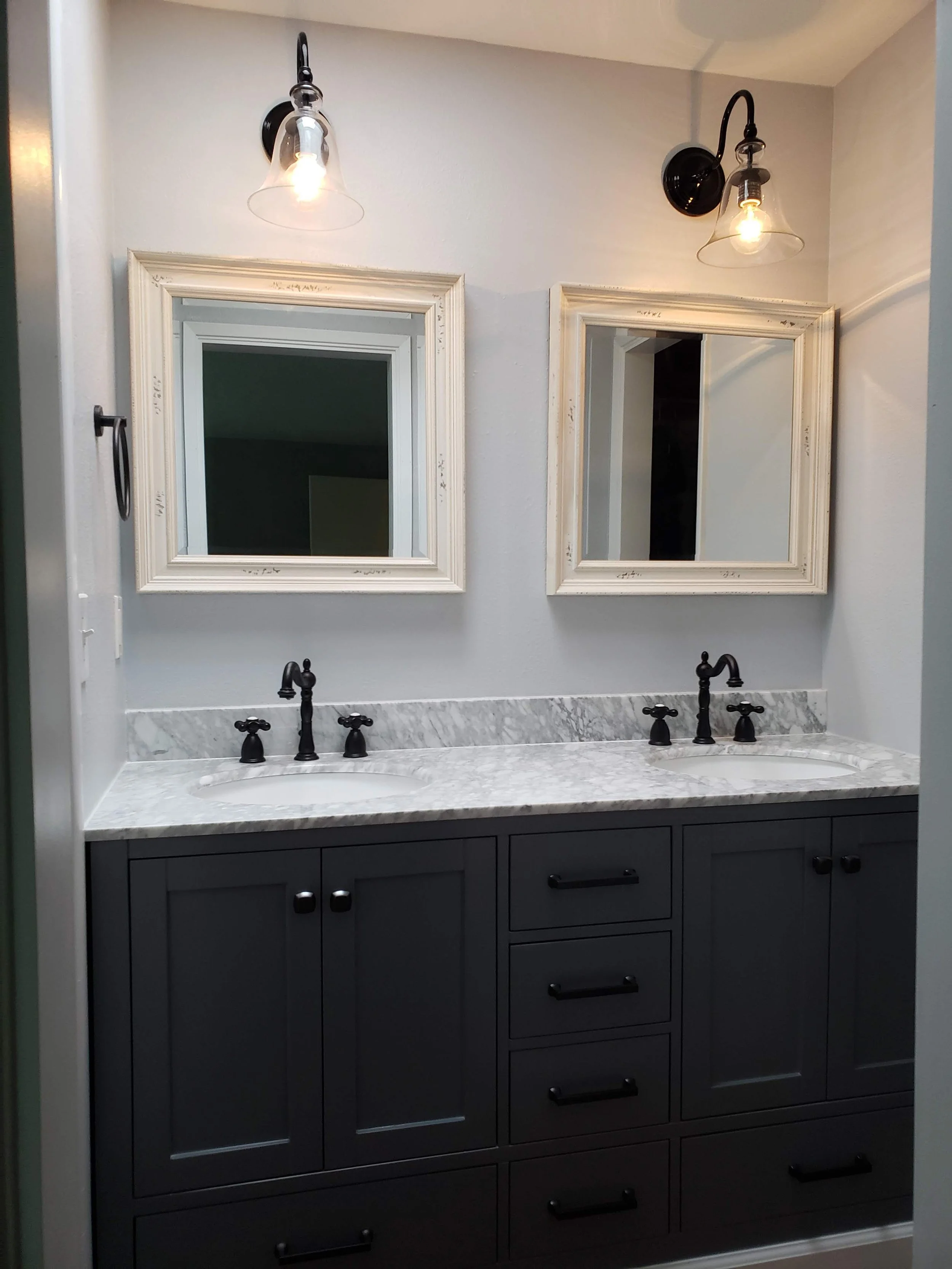
Double vanities or custom cabinetry
Additional lighting and electrical improvements
Structural or subfloor modifications
Does a Tub-to-Shower Conversion Always Take Longer?
Not necessarily.
A straightforward bathtub-to-shower conversion that maintains the existing footprint and requires minimal plumbing changes may fit within a typical shower replacement schedule.
However, converting a bathtub into a curbless shower, relocating the drain, or expanding the shower footprint can introduce additional work.
It's the complexity of the project—not simply the fact that you're replacing a bathtub with a shower—that determines the timeline.
Still deciding between a bathtub and a walk-in shower? Read our guide to [Walk-In Showers vs. Bathtubs] for a closer look at accessibility, costs, waterproofing, and resale considerations.
Why Do Curbless Showers Require Additional Planning?
Curbless showers eliminate the raised threshold between the bathroom floor and shower.
Creating that transition requires careful attention to floor elevations, drainage, waterproofing, and the existing structure.
Depending on the home's construction, modifications to the subfloor or framing may be necessary.
These details are important for both functionality and long-term durability, and they can affect the overall construction schedule.
5. What Can Delay a Bathroom Remodel?
Even a well-planned renovation can encounter unexpected conditions.
Here are some of the most common factors that affect bathroom remodeling timelines.
Hidden Water Damage
Bathrooms are exposed to moisture every day.
When existing tile, flooring, or fixtures are removed, we occasionally discover damaged subfloors, deteriorated framing, or evidence of previous leaks.
These issues need to be evaluated and addressed before new materials are installed.
Plumbing or Electrical Problems
Older homes may contain plumbing or electrical work that needs to be corrected or updated during renovation.
The extent of any necessary repairs may not become clear until demolition is complete.
Material Availability
Special-order tile, custom cabinetry, plumbing fixtures, and glass enclosures can have longer lead times than standard materials.
We recommend making major material selections before construction begins whenever possible.
Permits and Inspections
Depending on the scope of work and the jurisdiction, plumbing, electrical, mechanical, or structural changes may require permits and inspections.
Inspection scheduling and any necessary corrections can affect the sequence of construction.
Changes During Construction
Changing tile selections, moving fixtures, or adding features after construction begins can affect both the budget and the schedule.
Making important decisions during the planning stage helps reduce disruptions once work is underway.
Required Curing Times
Certain construction materials require time to cure before they can be covered, loaded, or exposed to water.
Following manufacturer requirements is essential, particularly with shower waterproofing and tile installation.
Rushing these steps to save a day or two can compromise the quality of the finished project.
6. How Long Does the Entire Remodeling Process Take?
One important distinction is the difference between construction time and the overall remodeling process.
A bathroom that requires two weeks of construction may involve additional time before work begins.
The complete process typically includes:
Initial consultation: Discussing the project, goals, and existing bathroom.
Scope development and estimating: Determining the work involved and establishing a project budget.
Material selections: Choosing tile, fixtures, cabinetry, and other finishes.
Scheduling and preparation: Coordinating material availability, permits when required, and the construction start date.
Construction: Completing the actual renovation.
Final walkthrough: Reviewing the finished project and addressing any remaining details.
The amount of time spent in preconstruction varies depending on the complexity of the project, how quickly selections are finalized, and material availability.
This is why it's helpful to begin planning well before your desired construction date.
7. Can You Use Your Bathroom During Construction?
This is an especially important question for homeowners with only one bathroom.
During a full bathroom remodel, you should generally expect the bathroom to be unavailable for significant portions of construction.
The toilet, sink, bathtub, or shower may be disconnected or removed while work is underway.
Even when certain fixtures remain temporarily functional, dust control, material curing, and ongoing construction may limit access.
For households with only one bathroom, we recommend discussing temporary arrangements before the project begins.
If your home has multiple bathrooms, planning is usually much easier because another bathroom can remain available during construction.
8. How Can You Help Keep Your Remodel on Schedule?
A successful renovation starts before the first day of demolition.
Here are a few ways homeowners can help make the process more efficient:
Finalize major selections early. Choose tile, plumbing fixtures, vanities, and other important materials before construction begins.
Establish a clear scope of work. Make sure the project expectations are understood before work starts.
Plan for unexpected conditions. Older bathrooms sometimes reveal issues that weren't visible during the initial evaluation.
Avoid unnecessary changes during construction. Changes can affect material orders, labor scheduling, and project sequencing.
Maintain open communication. Address questions and decisions promptly to keep the project moving.
At Rolling Hills Remodeling, we believe realistic expectations and clear communication are essential parts of a successful remodeling experience.
9. How Much Will Your Bathroom Remodel Cost?
The size and complexity of your renovation affect more than the construction timeline. They also influence the overall budget.
If you're beginning to plan a project, we've created two resources to help:
How Much Does a Bathroom Remodel Cost in Portland, Oregon?
Our bathroom remodeling cost guide explains common renovation budgets, what influences pricing, and how to plan for your project.
Our interactive tool lets you explore bathroom layouts, shower configurations, tile selections, vanities, and other features while calculating a preliminary project budget.
It's a useful starting point before scheduling a consultation.
Planning a Bathroom Remodel in Portland?
Whether you're considering a simple bathroom refresh, a new tiled shower, or a complete custom renovation, understanding the construction timeline helps you plan with confidence.
Rolling Hills Remodeling provides residential remodeling services throughout Portland and the surrounding metro area, with an emphasis on quality craftsmanship, thoughtful planning, and honest communication.
Contact Rolling Hills Remodeling to discuss your bathroom remodeling project and request a consultation.
We'd love to help you plan a renovation that works for your home, your budget, and your schedule.
Construction timelines are preliminary estimates based on typical Rolling Hills Remodeling project scopes as of November 2026. Actual schedules vary depending on existing conditions, project complexity, permitting, material availability, and other factors.