What to Expect When Hiring a Remodeling Contractor in Portland, Oregon
Hiring a remodeling contractor is a big decision.
Whether you're planning a kitchen renovation, bathroom remodel, or another home improvement project, you're trusting someone with your home, your money, and a significant part of your daily routine.
For many homeowners, the uncertainty surrounding the remodeling process can be just as intimidating as the project itself.
How do you know which contractor to hire? What should an estimate include? When are payments due? What happens if unexpected problems are discovered during construction?
At Rolling Hills Remodeling, we've spent over a decade helping homeowners throughout the Portland metro area improve their homes. We believe a successful renovation begins long before the first day of construction—with honest communication, realistic expectations, and a clear understanding of the work involved.
Here's what homeowners should expect when hiring a remodeling contractor in Portland, Oregon.
1. The Initial Consultation: Getting to Know Your Project
The first step in most remodeling projects is an initial conversation.
This is an opportunity for you to explain what you're hoping to accomplish and for the contractor to determine whether the project is a good fit.
A productive initial consultation should cover:
The type of renovation you're considering
What you dislike about your existing space
Your priorities and desired improvements
Your approximate budget
Your preferred timeline
Any known problems with the existing space
Why Discussing Your Budget Early Matters
Some homeowners hesitate to share their budget because they're concerned a contractor will simply price the project around that number.
It's an understandable concern.
However, discussing a realistic budget early in the process helps determine whether the proposed scope of work aligns with your expectations.
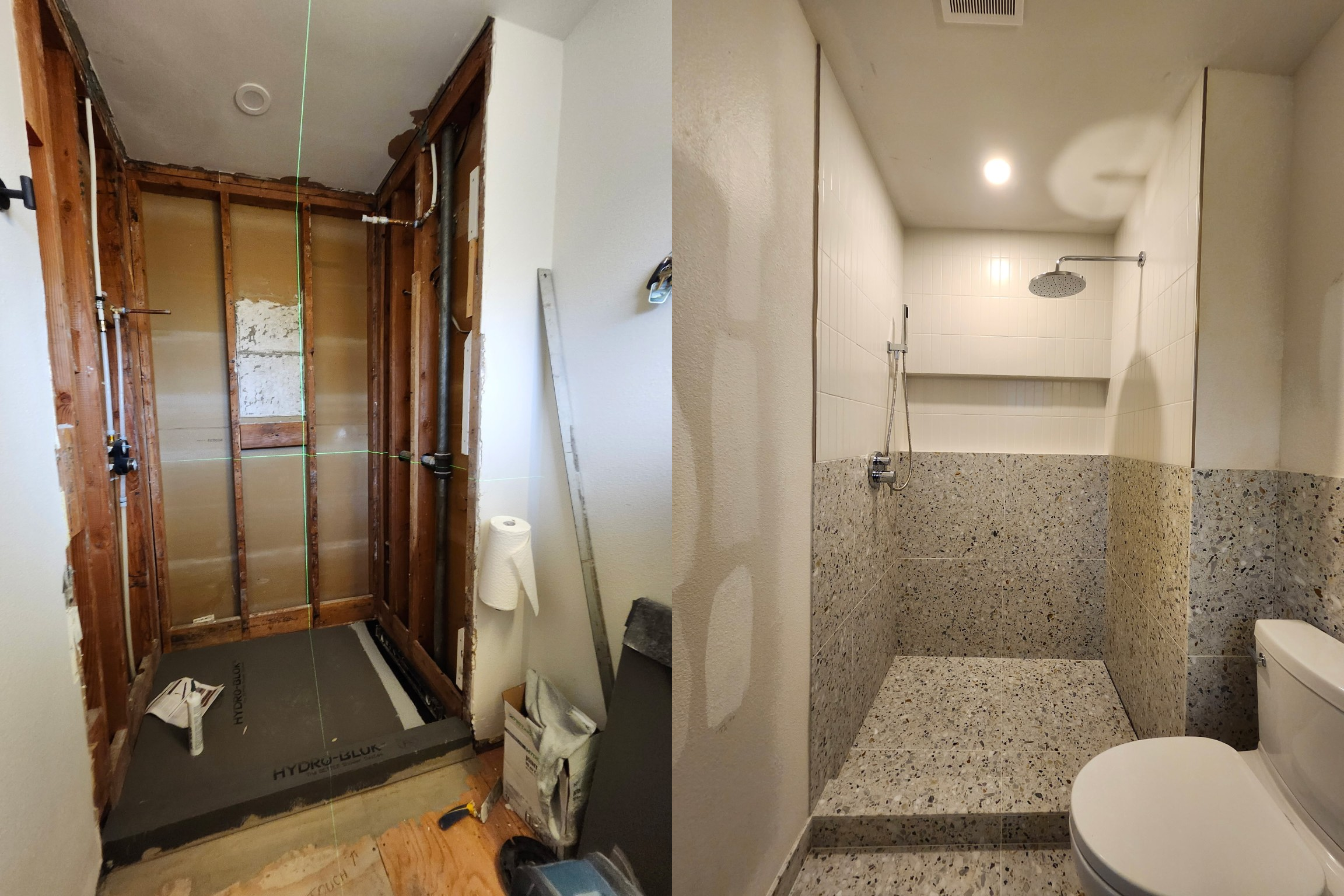
For example, a homeowner planning a fully custom bathroom with a curbless shower, premium tile, and extensive plumbing changes may need a different budget than someone replacing a bathtub and vanity.
An honest budget conversation can prevent both parties from investing time in a project that isn't financially realistic.
At Rolling Hills Remodeling, we believe these conversations should be straightforward and informative—not a high-pressure sales process.
2. The Site Visit: Understanding the Existing Conditions
Once the project appears to be a good fit, the next step is typically an on-site evaluation.
During this visit, the contractor can take measurements, inspect accessible areas, discuss design possibilities, and identify potential challenges.
Depending on the project, this may involve evaluating:
Existing plumbing and electrical locations
Wall and floor conditions
Available space and clearances
Ventilation requirements
Structural considerations
Access for materials and equipment
Potential permitting requirements
A site visit is also an opportunity to discuss the practical realities of living through a renovation.
Will the bathroom be unavailable during construction? Can the kitchen remain partially functional? Where will materials be stored?
These details matter, particularly when your family will be living in the home throughout the project.
What About Hidden Problems?
Even a thorough site evaluation has limitations.
Water damage, deteriorated framing, outdated plumbing, and previous improper installations may be concealed behind existing finishes.
Some conditions cannot be confirmed until demolition begins.
A responsible contractor should explain these possibilities rather than pretend every potential issue can be identified in advance.
3. Understanding Your Remodeling Estimate
After evaluating the project, the contractor should provide an estimate or proposal outlining the anticipated work and associated costs.
Not all remodeling estimates are structured the same way.
Some contractors provide detailed line-item breakdowns, while others organize pricing by project phase or scope category.
Regardless of format, the proposal should clearly communicate what is included.
What Should a Remodeling Estimate Include?
Look for information such as:
A description of the proposed work
Major materials and fixtures included
Material allowances, where applicable
Demolition and disposal responsibilities
Plumbing and electrical work
Finish installation
Relevant exclusions or assumptions
Payment terms
Anticipated scheduling considerations
The goal is to understand what you're purchasing—not simply compare the final number at the bottom of the page.
Why the Lowest Estimate Isn't Always the Best Value
Two contractors may provide very different prices for what initially appears to be the same project.
However, the underlying scope can vary considerably.
One proposal may include extensive preparation, waterproofing, and finishing details, while another may exclude portions of that work or assume different materials.
Before choosing a contractor based on price alone, make sure you're comparing equivalent scopes.
A lower estimate isn't necessarily a better deal if important work has been left out.
4. Planning and Material Selections
Once you've selected a contractor, the next phase is preparing the project for construction.
Depending on the renovation, this may involve choosing:
Tile and flooring
Cabinets and vanities
Countertops
Plumbing fixtures
Lighting
Paint colors
Hardware and accessories
Material selections can affect more than appearance.
They also influence installation requirements, project costs, lead times, and scheduling.
For example, specialty tile may require additional installation labor, while custom cabinetry or shower glass may involve longer ordering timelines.
Making major selections before construction begins helps reduce delays and unexpected changes.
Planning for Functionality
A successful renovation should improve the way you use your home.
In a kitchen, that means considering workflow, storage, counter space, and accessibility.
In a bathroom, it may involve shower configuration, storage, lighting, and long-term usability.
We encourage homeowners to think beyond what looks attractive in photographs and consider how the finished space will function every day.
5. Reviewing the Contract Before Construction
Before work begins, you should have a written agreement that establishes the project's scope and expectations.
A remodeling contract should address important details such as:
The agreed scope of work
Contract price and payment terms
Project scheduling
Material responsibilities
How changes will be handled
Applicable permit responsibilities
Other relevant project conditions
Take the time to read the agreement and ask questions about anything you don't understand.
A clearly written contract protects both the homeowner and the contractor by reducing misunderstandings.
How Do Remodeling Payments Typically Work?
Payment schedules vary between contractors and projects.
At Rolling Hills Remodeling, our standard payment structure is generally divided into three installments:
One-third at contract signing
One-third on the first day of construction
One-third upon project completion
The applicable payment terms are documented in the project agreement and must comply with Oregon requirements.
Before signing with any contractor, make sure you understand when payments are due, what each payment represents, and how additional work would be authorized.
6. Permits, Licensing, and Insurance
Before hiring a remodeling contractor in Oregon, it's important to verify that the contractor is properly licensed for the work being performed.
Oregon construction contractors are generally required to hold an appropriate license through the Oregon Construction Contractors Board (CCB).
Homeowners can check a contractor's license status and available public record information through the CCB.
Verify an Oregon Contractor's License
You should also discuss insurance coverage and whether the project requires permits.
Does Every Remodeling Project Require a Permit?
No.
Permit requirements depend on the scope of work and the jurisdiction.
Cosmetic improvements may not require permits, while certain plumbing, electrical, mechanical, or structural modifications may trigger additional requirements.
Requirements can differ between Portland and surrounding communities.
A contractor should help identify relevant permit considerations and clarify who is responsible for obtaining them.
7. What Happens During Construction?
Once materials are ready and the project is scheduled, construction can begin.
The sequence varies depending on the renovation, but many remodeling projects follow a similar progression.
Demolition and Preparation
Existing fixtures, finishes, or other materials are removed as required.
The contractor may also establish dust protection, prepare access routes, and arrange for debris removal.
Rough Construction
Necessary framing, plumbing, electrical, and other underlying work is completed.
Any required inspections must occur at the appropriate stage.
Installation and Finishing
New materials and fixtures are installed.
Depending on the project, this may include waterproofing, tile, cabinetry, countertops, flooring, painting, and finish carpentry.
Final Details and Cleanup
The final phase involves completing remaining installation details, checking the finished work, cleaning the project area, and preparing for the final walkthrough.
How Disruptive Will Remodeling Be?
Even a well-organized renovation involves some disruption.
Homeowners should expect varying levels of noise, dust, equipment, deliveries, and temporary limitations on access to the work area.
A bathroom may be unusable during construction. A kitchen renovation may temporarily eliminate access to cooking appliances or the sink.
Discussing these limitations before construction begins makes it easier to plan around them.
8. Communication: One of the Most Important Parts of Remodeling
Good communication can make the difference between a stressful renovation and a manageable one.
You should know who to contact when questions arise and how project updates will be communicated.
It's also important to understand how decisions and changes will be documented.
What Happens When Something Unexpected Comes Up?
Renovations sometimes reveal conditions that weren't visible during the initial evaluation.
If additional work becomes necessary, the contractor should explain:
What was discovered
Why it needs attention
What options are available
How the proposed solution affects the budget
Whether the project schedule will change
Whenever possible, changes affecting the agreed scope or price should be documented and approved before the additional work proceeds.
Clear communication helps homeowners make informed decisions without unnecessary surprises.
9. The Final Walkthrough and Project Completion
As construction nears completion, the contractor and homeowner should review the finished project.
This is an opportunity to confirm that the agreed work has been completed and identify any remaining details that need attention.
A final walkthrough may include:
Reviewing installed fixtures and finishes
Checking doors, drawers, and hardware
Testing relevant plumbing fixtures
Reviewing any outstanding finishing details
Discussing maintenance recommendations
Confirming completion requirements and final payment
It's also a good time to ask questions about caring for your new materials.
For example, certain tile, grout, countertops, and cabinetry finishes may have specific cleaning or maintenance recommendations.
A successful renovation shouldn't end with unanswered questions.
10. How Do You Know If a Remodeling Contractor Is the Right Fit?
Experience and craftsmanship matter, but they're not the only considerations.
Before hiring a contractor, ask yourself:
Do they communicate clearly?
Do they listen to your priorities?
Are they realistic about budget and scheduling?
Can they explain the proposed scope of work?
Are they transparent about potential complications?
Do they have relevant experience with similar projects?
Do you feel comfortable asking questions?
A remodeling project requires cooperation between the homeowner and contractor.
You should feel confident that the person working on your home understands your goals and is prepared to communicate throughout the process.
The right contractor isn't necessarily the one who promises the lowest price or fastest completion. It's the one whose experience, approach, and expectations align with your project.
Planning a Remodel in Portland, Oregon?
At Rolling Hills Remodeling, we believe homeowners deserve to understand the remodeling process before committing to a project.
Our approach emphasizes thoughtful planning, realistic expectations, quality craftsmanship, and honest communication from the initial consultation through project completion.
We specialize in kitchen and bathroom renovations throughout Portland and the surrounding metro area.
If you're considering a bathroom renovation, our free Bathroom Budget Builder can help you explore project options and establish a preliminary budget.
You can also explore our guide to bathroom remodeling costs in Portland to better understand common renovation budgets.
Ready to discuss your project?
Contact Rolling Hills Remodeling to request a consultation.
We'd love to learn more about your home and help you take the next step with confidence.